Niloofar · Coffee
 4 going
Coffee + co-work at Modcup
Your neighbors are putting on small hangouts — coffee, dinners, walks, pickleball. Jump into one or kick one off this week.










Members put on coffee, dinners, walks, and more — anyone in the city can drop in. Want to kick one off? It takes a minute.
Share photos after your bunches to see them here.
Open the app and scroll this week's bunches — coffee down the street, a Hudson walk, dinner at a local spot. All put on by people who actually live here.
We're not like other platforms. Bunch is built for small groups — and one no-show throws off the whole table. If you RSVP and don't show without canceling, you're paused until you reach out and acknowledge it. Cancel anytime. Just don't leave your group hanging.
Got a free Saturday? Post a coffee co-work, a walk, a pickleball game — anything. Your neighbors see it, RSVP, and show up. Takes a minute. No event-planner energy required.
Three simple mantras guide how Bunch works and who it's for. Bring them to every hangout.
Everyone's responsibility to make every person feel welcome and included from the moment they arrive.
Ask questions, listen deeply, and discover who people truly are beyond first impressions.
Notice connections that benefit others, not just yourself. Share introductions when you see a good fit.
I love how Bunch has made RSVPs super reliable because members need to check in. I host a few regular bunches with a bigger number of attendees and it's so easy to manage.

It's so hard making friends as an adult especially when you're new to the city. Bunch makes it so easy by allowing me to create hangouts for what I want to do and choose to join others that are low-key and so welcoming.

I love the co-working bunches and have put on a few. My favorite part is that I get to know people over the course of a few different bunches and not force a connection.

Universities, residential buildings, companies, and other groups can give members a place to get together on their own time — so ties and community grow naturally. With Bunch, community builds itself.
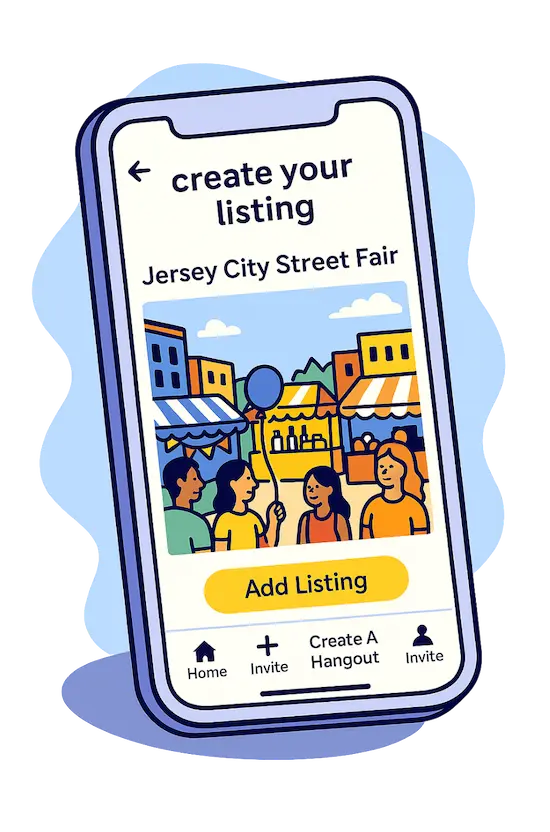
Download the Bunch app and start meeting your neighbors. Free, no subscription, no ads.


Work is over.
Your Thursday starts here.
Once a month on a Thursday in The Garment District, Social Happy Hour brings the Bunch community together for drinks, introductions, and an easy way to meet new people after work.
Explore Social Thursdays